Why Belarus
Europe, differently.
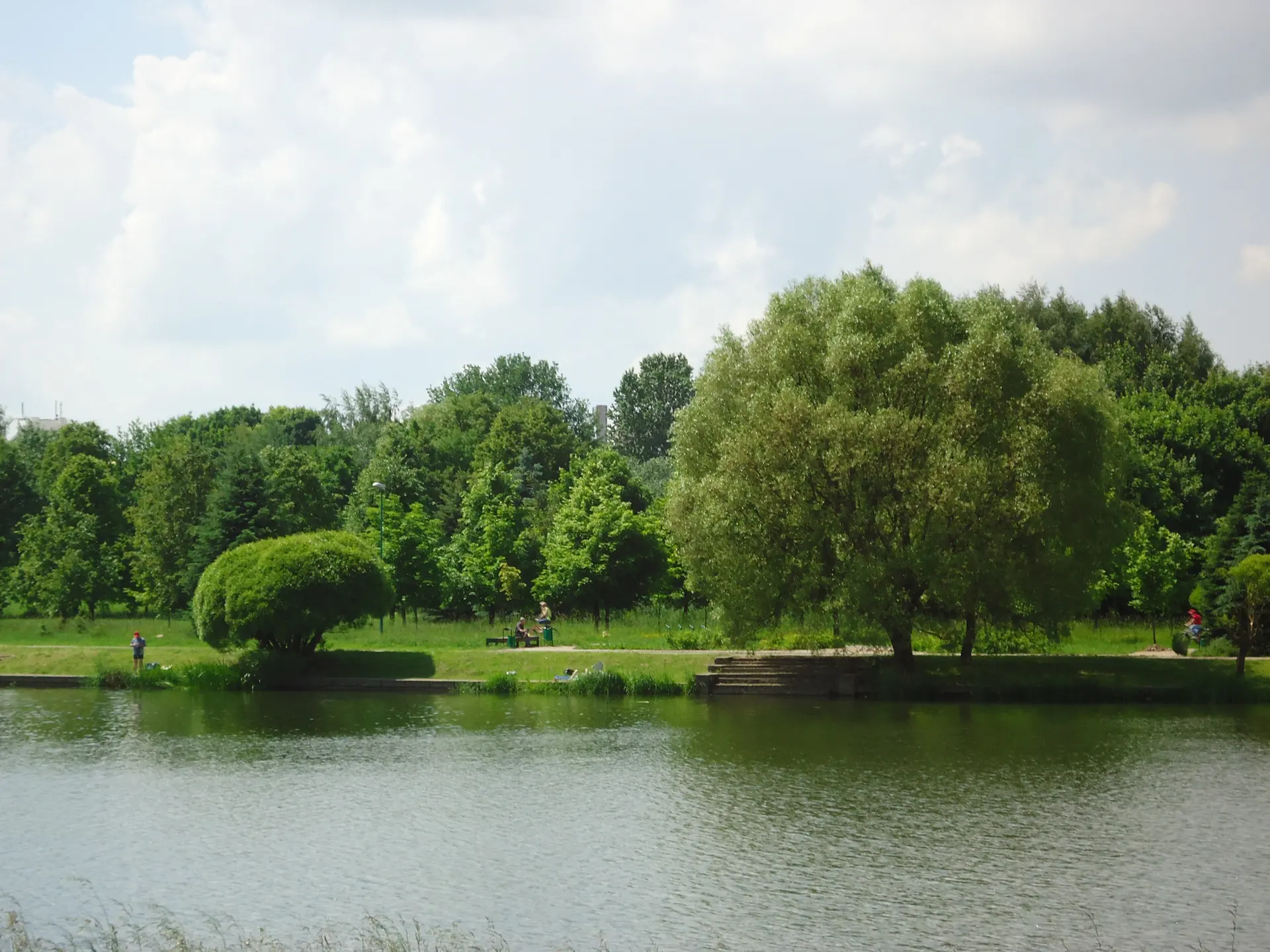
The Svislach river · Photo: Viktar Palstsiuk / Wikimedia Commons, CC BY 2.0
What Belarus is
- An independent country in Eastern Europe, between Poland, Lithuania, Latvia, Russia and Ukraine.
- A country with an established higher-education system, including medical, technical and general universities that enrol international students.
- Geographically part of Europe, with four distinct seasons and a cold winter.
- A place to research through programme requirements, city guides and itemised costs with source dates.
What Belarus is not
- Not a member of the European Union.
- Not part of the Schengen Area. A Belarusian visa or residence permit does not let you travel or work elsewhere in Europe.
- Not a shortcut or back door into the EU. Studying or working in Belarus does not create an EU immigration right.
- Not a place where BelaPath, or anyone, can promise a visa, an admission or a job. Those decisions belong to governments, universities and employers.
What is the education system like?
Belarus has public universities across the country offering bachelor's, specialist, master's and doctoral programmes, plus preparatory (foundation) years for international students who need language or subject preparation first. Medicine, engineering, IT, economics and the sciences are common fields for international applicants. Each programme sets its own entry requirements, tuition and intake dates.
Check each programme's own record for teaching language, current tuition (by academic year) and the next intake. BelaPath shows the source status of every tuition figure.
What language will I study and live in?
Belarusian and Russian are the state languages. A programme may require Russian, English or language preparation. Check the language used in lectures, examinations and any clinical or practical placements separately.
Do not assume a programme is English-taught. The teaching language is stated on each programme record; where it is not confirmed it shows as pending.
Will my Belarusian degree be recognised at home?
Recognition depends on your home country and, for regulated professions like medicine, law, engineering or teaching, on the relevant professional body. Ask the authority that will assess your degree about the specific university, programme, teaching mode and any examinations or licensing steps.
Before committing, check recognition with your home country's education authority and, for a regulated profession, with its licensing body. Do not rely on a general claim that a degree is 'internationally recognised'.
Can I work in Belarus?
Check the work authorisation required for your nationality, status and prospective employer with the Belarusian authorities before accepting work. Study admission does not establish a right to work. Review the employer identity and vacancy terms separately on BelaPath.
Work authorisation rules change and are set by the Belarusian authorities. Confirm the current process for your situation; be wary of any offer that skips it.
What should I budget for?
Build a budget for tuition, housing, food, transport, health cover, documents and travel. Compare the city and the accommodation you are considering. Costs without a current source remain indicative or pending; no fixed monthly budget is confirmed here.
Use the cost calculator for an orientation range with source and check dates. Treat any single 'monthly cost' number with caution.
What are the cities and daily life like?
Explore Minsk, Grodno, Brest and Vitebsk through their city guides. Check the location of your institution or employer, housing options and local transport before choosing where to live.
How cold is the winter, really?
Winters are cold and snowy, roughly from late November into March, with sub-zero temperatures common. Summers are mild and have long daylight hours. If you are coming from a warm climate, proper winter clothing is a real cost and adjustment, not an afterthought.
How connected is it?
Check current flights, airport transfers and domestic rail or bus services for your route. Border conditions and services can change. Proximity to another country does not establish a right to enter it.
What about safety and trust?
Read your government's current travel advice and consular guidance before making plans. Separately, check each pathway's sources, employer identity and payment recipient. A reviewed record does not establish personal safety or a visa outcome.
For current travel-advisory and consular guidance, check your own government's foreign-affairs source.